01
Call and Triage
You call (833) 640-1438 and describe what you see: how deep the water is, whether it smells like sewage, and whether the power is on. We ask the questions that determine what equipment rolls first. Most calls get a crew dispatched the same day, and true emergencies get a 24/7 response.
02
Source and Safety Check
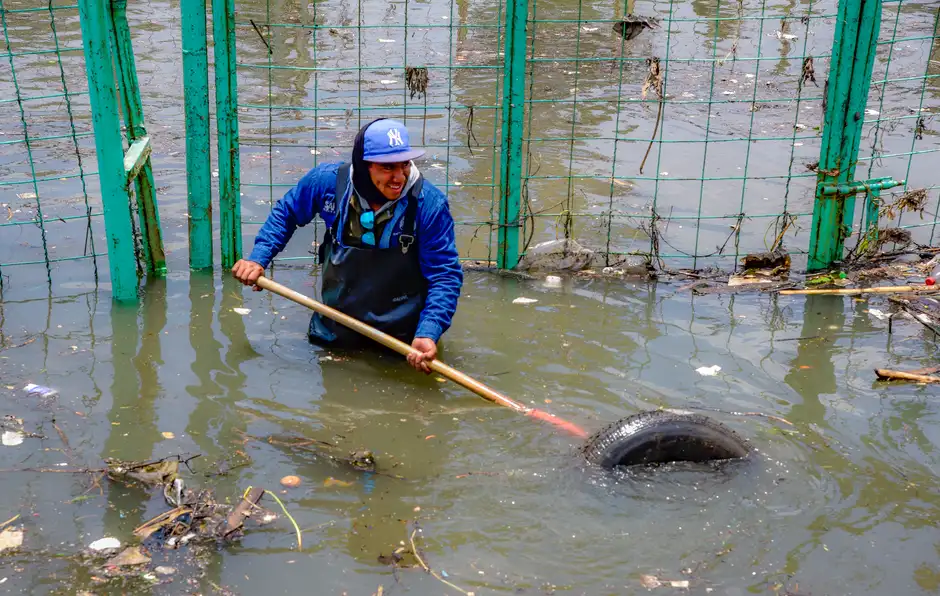
Before any pump runs, we find where the water is coming from. A burst pipe gets the water shut off at the main. A sewage backup gets treated as contaminated from the start. We check for live electrical hazards and shut off breakers to any submerged circuits before anyone steps into the water.
03
Pump and Extract
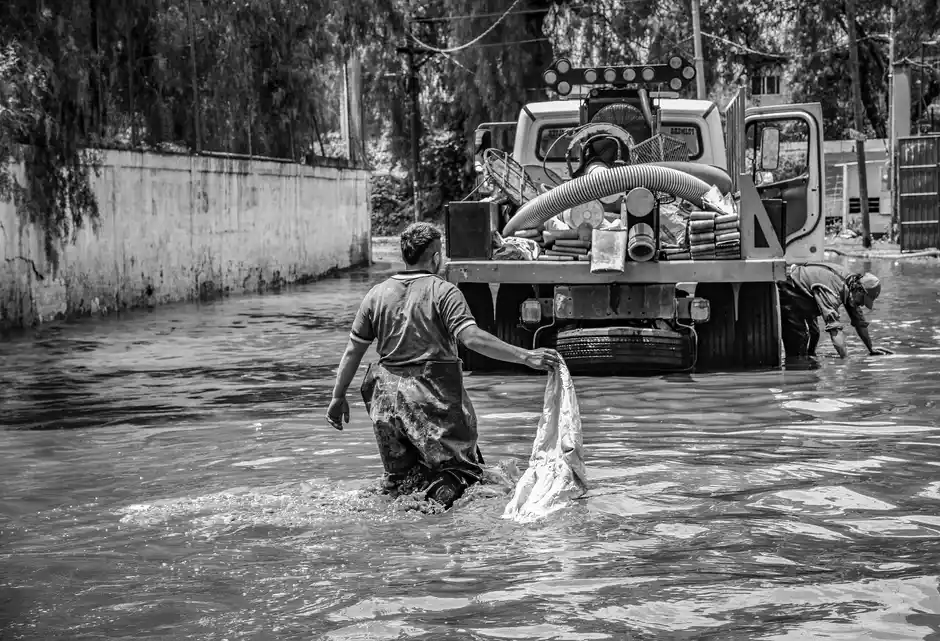
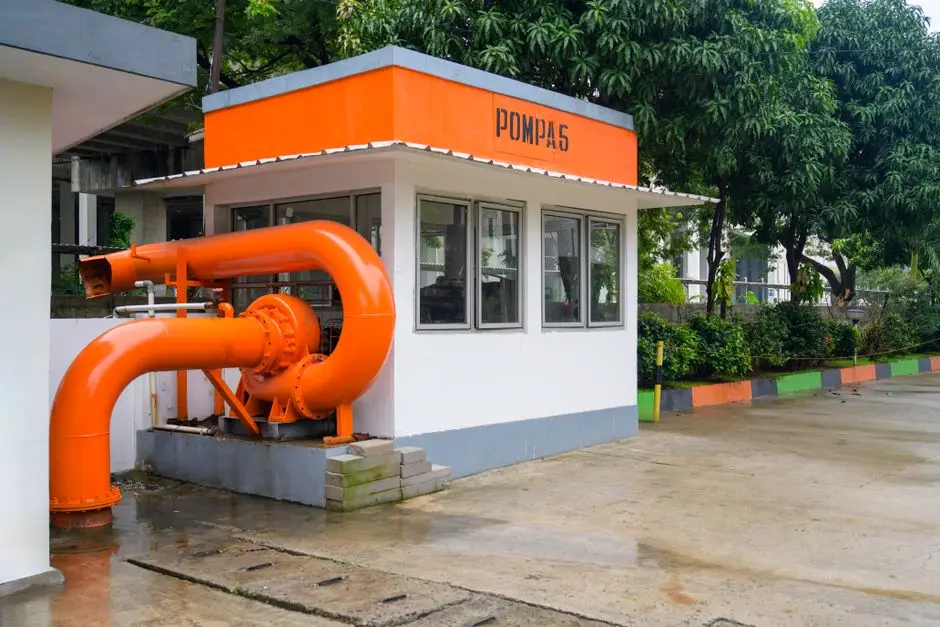
Standing water comes out first with submersible pumps and wet/dry vacuums. Once the level is low enough, truck-mounted extractors pull water out of carpet, pad and upholstery. A typical 1,000-square-foot basement with two inches of water takes two to four hours to clear.
04
Dry the Structure
Air movers and commercial dehumidifiers run until the framing, drywall and slab hit dry standard. We check progress with moisture meters and thermal imaging cameras daily. Most basements dry in three to five days; a finished basement with saturated drywall can take longer.
05
Verify and Document
We take final moisture readings, photograph everything, and give you a written summary of what was wet, what we did, and what to watch for. If you are filing a claim, that packet goes straight to your adjuster. We also flag anything that needs a plumber or waterproofing contractor before the next storm.