Basement flooding from heavy rain
We extract the water fast with truck-mounted equipment, pull saturated carpet and pad, and dry the concrete and framing to prevent mold. Most basements are dry within 72 hours.
Storm Water Removal in Indiana means getting standing water out of your basement, crawl space, or garage before it turns into mold and structural rot. Our crews run truck-mounted extractors, submersible pumps, and commercial dehumidifiers across the state, seven days a week. Whether a spring storm dumped three inches in an hour or your sump pump quit at 2 a.m., we answer the phone and roll.

Storm Water Removal in Indiana is the process of extracting floodwater and storm-driven intrusion from a structure, then drying the framing, drywall, and subfloor to ANSI/IICRC S500 standards so mold never gets a foothold. It is not one guy with a wet/dry vacuum. It is truck-mounted extractors pulling hundreds of gallons a minute, thermal imaging cameras finding water behind finished walls, and calibrated moisture meters telling us when the structure is actually dry, not just dry to the touch.
Indiana gets hit from every direction. Spring supercells dump two to four inches in an afternoon, summer storms push water through window wells, and January thaws send meltwater against foundation walls that have been frozen for weeks. If you are searching for a storm water removal company in Indiana for heavy rain, you have probably already watched water creep across your basement floor. We handle that call every day, from Fishers subdivisions to older Greencastle homes with stone foundations that weep every time the creek rises.
Every storm water removal job includes the core services below. If your situation requires additional work like mold remediation or structural repairs, we will tell you upfront and give you a separate estimate before any extra work begins.
Truck-mounted extractors and submersible pumps remove standing water from basements, crawl spaces, garages, and living areas. We extract from carpet, pad, hardwood, tile, and concrete surfaces.
Thermal imaging cameras and calibrated moisture meters map exactly where water has traveled. We photograph and record every reading for your insurance claim and for our own drying verification.
We apply EPA-registered antimicrobial solutions to affected framing, drywall edges, and cavities. This stops mold and bacteria from colonizing while the structure dries.
Air movers and commercial dehumidifiers are placed in a calculated pattern based on square footage and materials affected. Equipment runs 24 to 72 hours with daily moisture checks.
We do not pull equipment until moisture readings confirm the structure has reached dry standard. You get a written summary with final readings and photos.
You call, we answer. We ask what happened, how deep the water is, and whether the source is still active. Within minutes we dispatch the nearest crew and give you a realistic arrival window. If the water is still coming in, we walk you through shutting off the supply or sandbagging the entry point while you wait.
Our lead technician walks the property with moisture meters and a thermal imaging camera to map exactly where water has traveled. Storm water hides behind baseboards, under vinyl plank, and inside wall cavities. We find it before we start pulling equipment off the truck.
Truck-mounted extractors and submersible pumps go to work. Standing water comes out first, then we extract from carpet, pad, and hard surfaces. A typical flooded basement takes two to four hours to extract. Deeper crawl space flooding can run longer depending on access and volume.
We set air movers and commercial dehumidifiers in a calculated pattern based on the square footage and materials affected. Equipment runs 24 to 72 hours on most jobs. We check readings daily and adjust placement until moisture content in framing and drywall is back to normal.
Before we pull a single air mover, we take final moisture readings and photograph them. You get a written summary showing dry standard was met. If anything still reads high, equipment stays. We do not call a job done until the numbers say it is done.
Purpose-built equipment, used by trained technicians — so the job is done accurately the first time.
Dri-Eaz and Phoenix Restoration Equipment units that pull hundreds of gallons per minute from carpet, pad, and hard surfaces.
Wayne Pumps and Zoeller units for deep standing water in basements and crawl spaces where extractors cannot reach.
Find hidden moisture behind walls, under floors, and in ceiling cavities without tearing out drywall.
Calibrated pin and pinless meters that tell us exactly when framing and drywall have reached dry standard.
Dri-Eaz and Phoenix units that pull moisture from the air and speed structural drying.
High-velocity fans positioned to create a calculated airflow pattern across wet surfaces.
Keep equipment running when storm damage has knocked out power to your home.
A June storm dumped three inches of rain in two hours. The sump pump failed, and the finished basement took on four inches of water. Carpet, pad, and the bottom two feet of drywall were saturated.
We extracted 180 gallons in the first hour, pulled the wet carpet and pad, and set up 12 air movers and 3 dehumidifiers. Three days later, moisture readings confirmed the framing and concrete were at dry standard.
Storm water had been sitting in the crawl space for four days before the homeowner noticed a musty smell. Joists were reading 28 percent moisture content, and mold was starting on the subfloor.
We pumped out 60 gallons of standing water, treated the framing with antimicrobial solution, and ran dehumidifiers for 72 hours. Final readings showed joists back under 14 percent moisture content.
Heavy rain overwhelmed a window well and poured water into a walkout basement. The carpet was soaked, and water had wicked up the drywall six inches.
We extracted the water, pulled the wet carpet and pad, and dried the drywall and concrete. Moisture readings were back to normal in 48 hours, and no mold developed.
Storm water finds every weak point in a home. Here are the most common problems we see and how we fix them before they turn into bigger, more expensive issues.
Ask a pro →We extract the water fast with truck-mounted equipment, pull saturated carpet and pad, and dry the concrete and framing to prevent mold. Most basements are dry within 72 hours.
We pump out the water, dry the space, and can install a new Zoeller or Wayne Pumps unit sized for your home before the next storm hits.
We pump the crawl space dry, treat the framing with antimicrobial, and can install a vapor barrier and sump pump discharge hose to keep it dry going forward.
We extract and dry the affected area, then recommend drainage corrections like window well covers or regrading to stop the water at the source.
“We had four inches of water in our finished basement after a June storm. IN Water Remover Pros had a crew here in about an hour. They pulled the water, set up dehumidifiers, and checked moisture readings every day. Took three days to dry out completely. Our insurance adjuster said the documentation was the best he had seen.”
Karen M.Homeowner, Fishers
✓ Verified“Our sump pump died during a storm and the crawl space flooded. These guys pumped it out, dried the joists, and even installed a new Zoeller pump while they were here. No mold, no smell, no problems since. Worth every penny.”
Dave R.Homeowner, Greencastle
✓ Verified“Storm water came in through our window wells during a heavy rain. They extracted the water, pulled the wet carpet, and treated everything with antimicrobial. Three days later, moisture readings were back to normal. Professional from start to finish.”
Sandra L.Homeowner, Zionsville
✓ VerifiedIN Water Remover Pros handles storm water removal across Indiana, with crews dispatched from multiple locations to reach you fast. We have been doing this work since 2013 and run 24/7. Call (833) 640-1438 and we will give you a real arrival window, not a four-hour block.
Most residential storm water extraction jobs in Indiana run $500 to $2,500 depending on square footage affected, water depth, and how many days drying equipment is needed. Crawl space jobs and finished basements with carpet and pad sit at the higher end. We give you a written estimate before we start, and most homeowners insurance covers the work.
Most Indiana homeowners policies cover sudden and accidental storm water intrusion, including extraction and drying. Flood insurance through NFIP is separate and covers rising water from outside. We document every job with photos, moisture readings, and a written scope so your adjuster has what they need to process the claim quickly.
Extraction itself usually takes two to four hours for a typical flooded basement. Full drying with air movers and dehumidifiers runs 24 to 72 hours depending on materials affected and humidity levels. We check moisture readings daily and do not pull equipment until the structure hits dry standard.
IN Water Remover Pros delivers storm water extraction in Indiana from multiple dispatch points across the state. Whether you are in a fast-growing suburb like Fishers or a small town like Michigantown, we have crews and equipment ready to respond. Here are some of the communities we serve.
 Basement Water RemovalStorm water often ends up in the basement first. We extract standing water from finished and unfinished basements, pull wet carpet and pad, and dry the concrete and framing to prevent mold growth in Indiana homes.Explore →
 Flood Water RemovalWhen storms push water through doors, window wells, and foundation cracks, flood water removal handles the volume. We pump, extract, and dry, then document everything for your insurance claim.Explore →
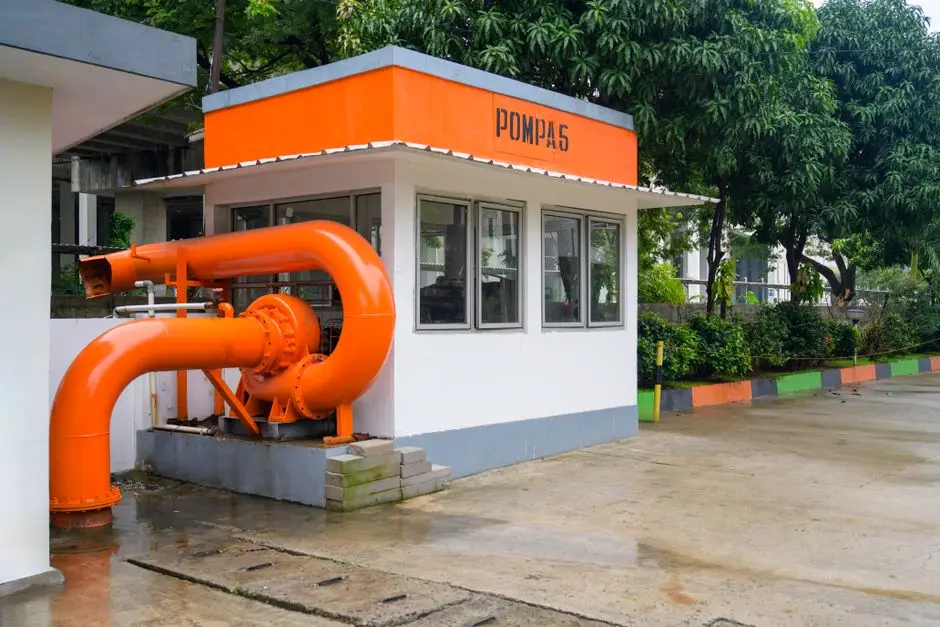 Sump Pump Failure Water RemovalA dead sump pump during a heavy Indiana rainstorm can dump hundreds of gallons into your basement in under an hour. We extract fast and can recommend Zoeller or Wayne Pumps replacements sized for your home.Explore →
 Sewage Water RemovalStorm surges can overwhelm municipal lines and push sewage back into your home. This is a contaminated water category requiring antimicrobial treatment and proper disposal. We handle it with full PPE and IICRC AMRT protocols.Explore →
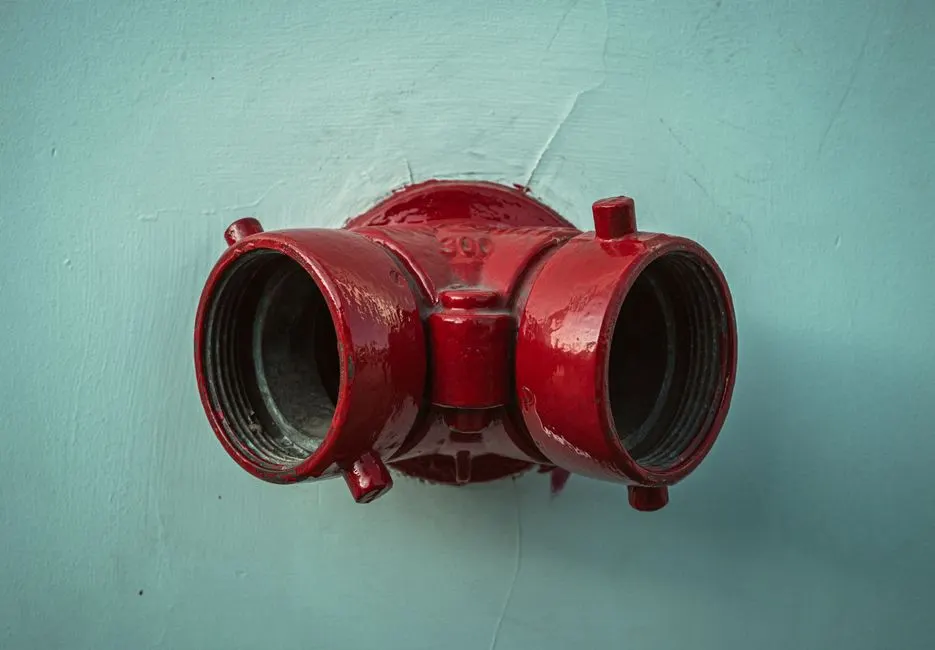 Burst Pipe Water RemovalFreeze-thaw cycles crack copper and PVC pipes across Indiana every winter. We extract the water, dry the structure, and coordinate with licensed plumbers for the repair so you are not dealing with two contractors.Explore →
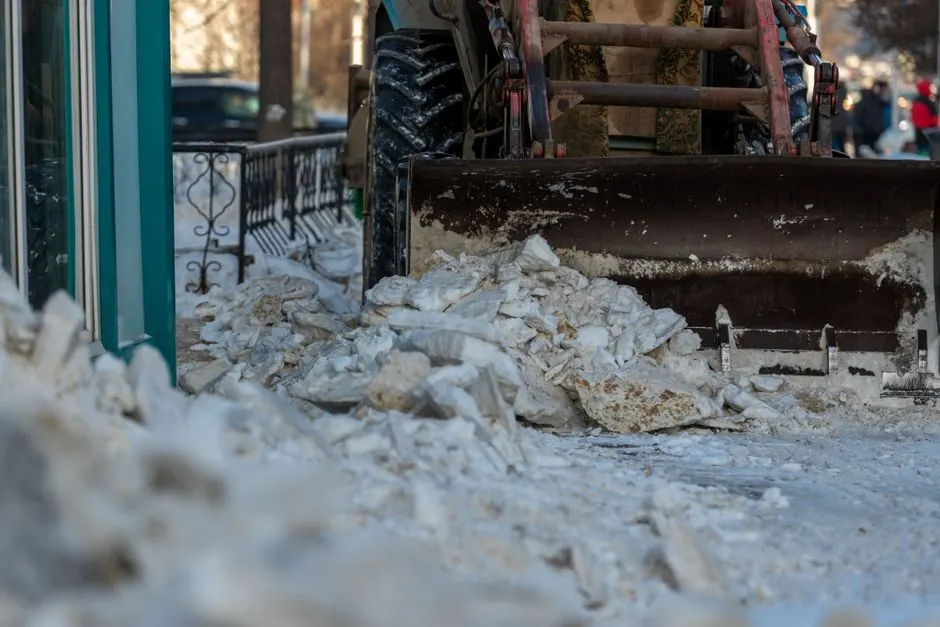 Frozen Pipe Water RemovalWhen a frozen pipe thaws and splits, water can run for hours before you notice. We extract, dry, and check for hidden moisture in wall cavities using thermal imaging cameras before mold has a chance to start.Explore →
 Standing Water RemovalStanding water in a garage, crawl space, or low-lying room needs to come out fast. We use submersible pumps and truck-mounted extractors to clear it, then dry the space to prevent structural damage.Explore →
 Crawl Space Water RemovalCrawl space flooding is common in older Indiana homes with poor drainage. We pump it out, dry the joists and subfloor, and can install vapor barriers to reduce future moisture problems.Explore →
Every hour water sits, the damage gets worse and the repair bill gets bigger. Call IN Water Remover Pros at (833) 640-1438. We answer 24/7, dispatch fast, and give you a written estimate before we start. Licensed, insured, and serving Indiana since 2013.
Call Now (833) 640-1438 →We're on call 24 hours a day, seven days a week, including holidays. Call (833) 640-1438 and you'll talk to a real person who can dispatch a crew immediately. Most metro Indiana addresses see a truck in under 60 minutes, and we'll give you a per-job quote before we start.