Sump pump quits during a storm or thaw
We extract the water, dry the structure, and advise on a replacement pump, usually a Zoeller or Wayne Pumps unit with a battery backup so the next power outage doesn't flood you again.
Crawl Space Water Removal in Indiana means pulling standing water out of the tightest, dirtiest space in your home before it rots your floor joists. We handle crawl space water extraction for homeowners in Lawrence, Ellettsville, Rossville, and everywhere in between. Whether it's a failed sump pump, a burst pipe, or storm water pushing through the foundation, we get the water out and the space dry.
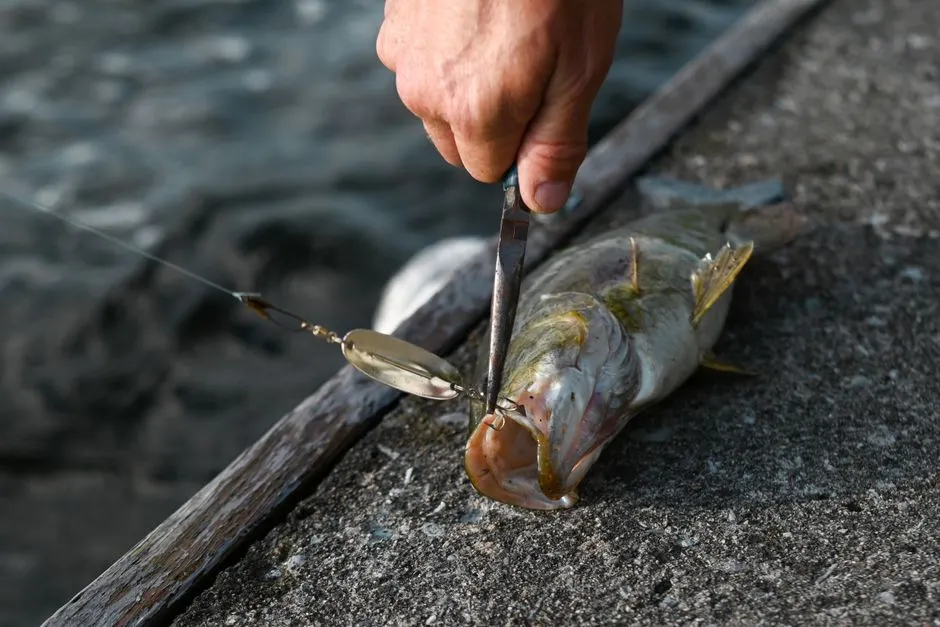
Crawl Space Water Removal in Indiana is the process of pumping, extracting, and drying standing water from the shallow, unheated space beneath your home, then treating the area to stop mold and wood rot. It's not a shop vac job. A wet crawl space holds moisture in the soil, the joists, and the insulation for weeks. We use submersible pumps and truck-mounted extractors to pull the bulk of the water, then air movers and dehumidifiers to dry the structure down to a safe moisture reading.
Indiana crawl space water extraction calls come in year-round, but the worst stretch runs from late fall through early spring. Frozen pipes thaw and split, sump pumps quit during a January thaw, and heavy spring rain saturates the soil until it finds a way in. If you've got standing water under the house right now, that's an emergency crawl space water removal in Indiana situation, not a wait-until-Monday problem. Mold can start colonizing wet framing in 24 to 48 hours.
Every crawl space water removal services Indiana job we run includes the full scope below. If the inspection turns up something extra, like sewage contamination or a repair that needs a licensed plumber, we tell you before we start and price it separately.
Moisture meter and thermal imaging camera sweep of the entire crawl space. We map the wet zone, find the entry point, and photograph everything for your records and your insurance claim.
Submersible pump for deep water, truck-mounted extractor or wet/dry vacuum for the shallow water and saturated soil. We don't leave puddles behind for the dehumidifiers to fight.
Air movers and Dri-Eaz or Phoenix dehumidifiers positioned based on the wet zone map, not guesswork. We run them 2 to 4 days and check moisture readings daily.
Application of antimicrobial solutions to wet joists, subfloor, and sill plates. This is the step that stops mold from colonizing while the wood is still drying.
We inspect the vapor barrier for tears, gaps, and standing water underneath. A compromised barrier is why the space stays humid after the water is gone.
You get a written report: what we found, what we did, final moisture readings, and what to fix next, whether that's a sump pump, a check valve, pipe insulation, or exterior grading.
You call (833) 640-1438 and describe what you're seeing: standing water, a musty smell, a sump pump that quit. We ask the right questions, give you a ballpark range on the phone, and dispatch a crew. Most calls in the Indianapolis metro get a same-day window.
A technician crawls the space with a moisture meter and thermal imaging camera, maps the wet zone, and finds the source. Sump pump failure, burst pipe, sewage backup, storm intrusion, each one changes the plan. This takes 20 to 40 minutes on a typical home.
We set a submersible pump for deep standing water, then switch to a truck-mounted extractor or wet/dry vacuum for the shallow stuff and saturated soil. A standard 1,000-square-foot crawl space with 2 inches of water usually takes two to four hours to clear.
Air movers and dehumidifiers run for 2 to 4 days depending on how wet the framing got. We treat joists and subfloor with antimicrobial solutions, and we check the vapor barrier for tears. You get daily moisture readings so you can see the numbers dropping.
We pull equipment once the framing hits dry standard per the ANSI/IICRC S500. You get a written summary of what we found, what we did, and what to fix next, whether that's a new Zoeller sump pump, a check valve, or grading outside the foundation.
Purpose-built equipment, used by trained technicians — so the job is done accurately the first time.
For deep standing water, usually 2 inches or more. We run these first to drop the water level fast, then switch to extraction equipment for the residual.
For shallow water and saturated soil. These pull far more water than a shop vac and cut drying time by a full day on most jobs.
Low-grain refrigerant and desiccant units that pull moisture out of the air and the framing. We size them to the cubic footage of the space.
To find hidden moisture behind vapor barriers and inside wall cavities. What looks dry often isn't, and this equipment shows us where the water actually went.
DeWalt and Milwaukee pin and pinless meters. We take readings before, during, and after drying so you can see the numbers drop.
The sump pump brands we recommend and install most often. Both hold up to Indiana's freeze-thaw cycles better than the builder-grade units most homes come with.
A 1,100-square-foot crawl space with 3 inches of standing water after a January sump pump failure. Insulation was soaked, joists were reading 28% moisture, and the homeowner could smell mustiness inside the house.
Water extracted in 3 hours, drying equipment ran for 3 days, and final joist readings came in at 11%. Antimicrobial treatment applied to all wet framing. Total job: $1,250.
A PEX supply line split while the homeowners were out of town for a week. The crawl space had 5 inches of water, saturated subfloor, and visible mold starting on the joists near the entry point.
Full pump-out and extraction, 4 days of drying, and antimicrobial treatment across the affected framing. Final moisture readings documented for the insurance claim. Job total: $1,780.
A 2-inch rain event pushed water through foundation vents into a 900-square-foot crawl space. The vapor barrier was torn in two places and the soil underneath was fully saturated.
Water extracted in 2 hours, vapor barrier repaired, and 2 days of drying brought the framing back to dry standard. Total job: $890.
Most crawl space water calls fall into a handful of categories. Here's what we see most often and what happens if you let it sit.
Ask a pro →We extract the water, dry the structure, and advise on a replacement pump, usually a Zoeller or Wayne Pumps unit with a battery backup so the next power outage doesn't flood you again.
We shut off the water, extract, and dry, then coordinate with a licensed plumber for the repair. We also advise on pipe insulation and heat tape to prevent a repeat.
We pump and extract, then check the vapor barrier and exterior grading. Often the fix is as simple as regrading or extending downspouts away from the foundation.
We handle sewage water removal with full PPE, antimicrobial treatment, and proper disposal. We document the contamination for your insurance claim and don't cut corners on safety.
“Sump pump died during a January thaw and I had 4 inches of water under the house. Called at 6 a.m., crew was there by 9. They pumped it out, set dehumidifiers, and had it dry in three days. They also told me exactly what size Zoeller to buy for the replacement. Straight shooters.”
Dave R.Homeowner, Lawrence
✓ Verified“We had a burst PEX line under the crawl space while we were out of town. IN Water Remover Pros extracted the water, treated the joists with antimicrobial, and documented everything for our insurance claim. Adjuster approved it without a fight. That alone was worth the call.”
Karen M.Homeowner, Ellettsville
✓ Verified“I manage six rentals and have used these guys three times now. Every job they show up when they say, give me a firm number before they start, and send photos of the moisture readings before and after. That's rare in this business. I don't call anyone else for crawl space water.”
Tom B.Property Manager, Rossville
✓ VerifiedIN Water Remover Pros does, statewide, 24/7. We've been pulling water out of Indiana crawl spaces since 2013 and handle everything from a few inches of storm water to full pump-outs after a sump failure. Call (833) 640-1438 and we'll dispatch a crew, usually the same day in the Indianapolis area and surrounding counties.
Most residential jobs run $450 to $1,800 in 2026, depending on water volume, square footage, and how long drying takes. A shallow pump-out with one day of drying sits at the low end. Sewage-contaminated water or a space that needs 4 days of dehumidification pushes toward the top. You get a firm number after the on-site inspection.
We set a submersible pump for the deep water, then switch to a truck-mounted extractor for the shallow water and saturated soil. After extraction, air movers and dehumidifiers dry the framing for 2 to 4 days. We check moisture readings daily and pull equipment only when the wood hits dry standard under ANSI/IICRC S500.
Usually yes, if the water came from a burst pipe, frozen pipe, or appliance failure, that's sudden and accidental, which most homeowners policies cover. Groundwater and long-term seepage are typically excluded. We document everything with photos and moisture readings and work directly with your adjuster to make the claim straightforward.
We run crawl space water extraction crews across Indiana, from the Indianapolis metro out to smaller communities in every direction. Same equipment, same IICRC standards, same 24/7 dispatch whether you're in Lawrence or New Washington. If you're in one of the cities below, we can get to you.
 Basement Water RemovalSame equipment, same crew, different space. If water is pooling in your basement instead of the crawl, we pump, extract, and dry it the same way, and we check whether the two spaces share a drainage problem.Explore →
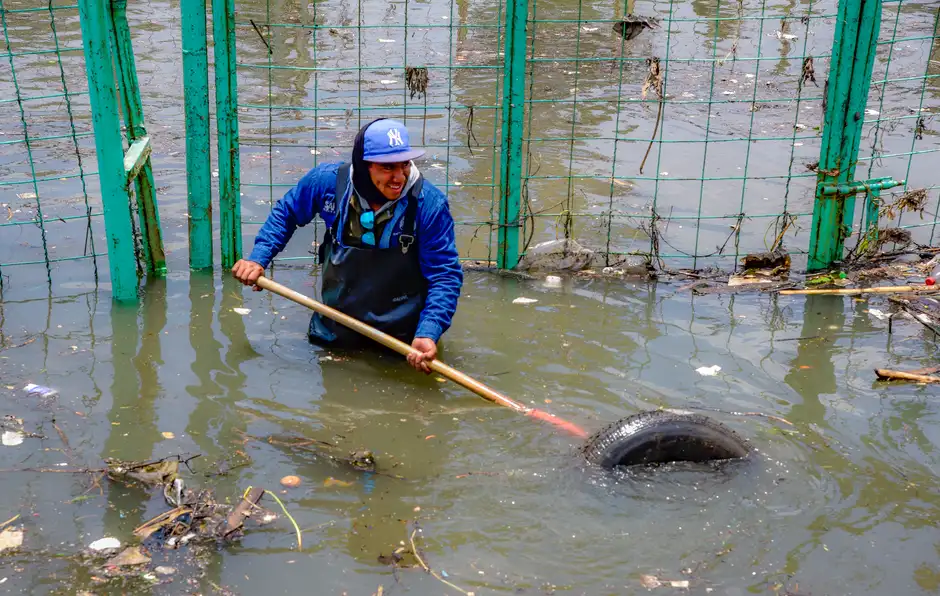 Flood Water RemovalWhen a storm dumps 3 inches in an hour, crawl spaces flood first. We handle flood water removal across Indiana and treat contaminated water with the same antimicrobial protocol we use on crawl space jobs.Explore →
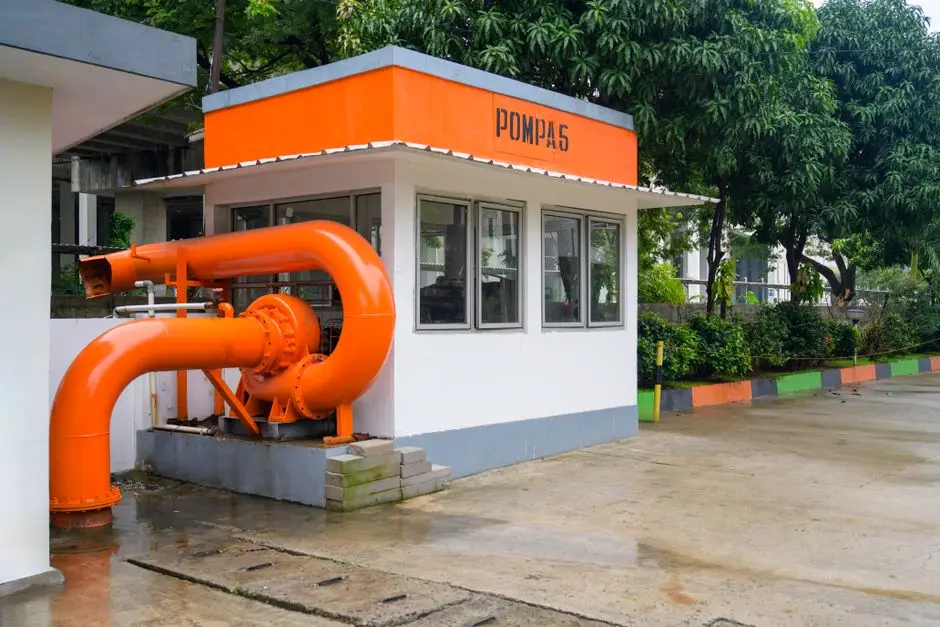 Sump Pump Failure Water RemovalA dead sump pump is the number one cause of crawl space flooding we see. We extract the water, then advise on a replacement, often a Zoeller or Wayne Pumps unit with a battery backup.Explore →
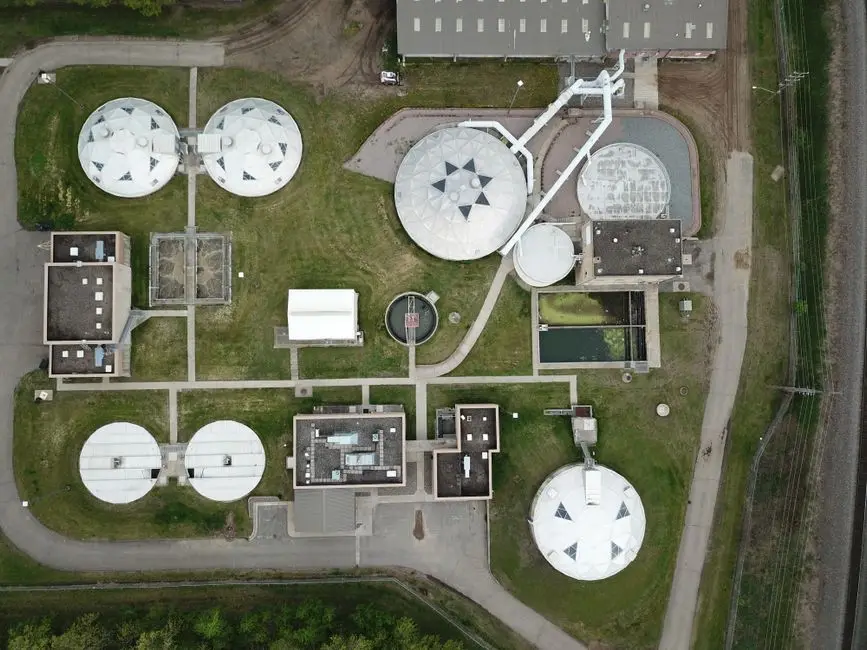 Sewage Water RemovalSewage backup in a crawl space is a Category 3 hazard. We handle it with full PPE, antimicrobial treatment, and disposal per Indiana regulations. Do not crawl in there yourself.Explore →
 Burst Pipe Water RemovalA burst copper or PEX line under the house can dump hundreds of gallons before you notice. We shut it down, extract, and dry, and we coordinate with a licensed plumber for the repair.Explore →
 Frozen Pipe Water RemovalIndiana winters split pipes in unheated crawl spaces every year. We thaw, extract, and dry, and we advise on pipe insulation and heat tape to prevent the next one.Explore →
 Storm Water RemovalHeavy rain saturates the soil until it pushes through foundation vents and cracks. We pull storm water out of crawl spaces and basements and identify where it's entering.Explore →
 Standing Water RemovalAny standing water under your house is a problem within 24 hours. We pump it, extract the residual, and dry the structure before mold gets a foothold.Explore →
Standing water under your house gets worse every hour. Call (833) 640-1438 and we'll dispatch a crew, usually the same day. Licensed, insured, and working to IICRC standards on every job.
Call Now (833) 640-1438 →We're on call 24 hours a day, seven days a week, including holidays. Call (833) 640-1438 and you'll talk to a real person who can dispatch a crew immediately. Most metro Indiana addresses see a truck in under 60 minutes, and we'll give you a per-job quote before we start.