What to do when your sump pump fails during an Indiana storm
Your sump pump quit mid-storm and the pit is rising. Here are the exact steps to stop the damage, plus when to call for emergency water removal in Indiana.
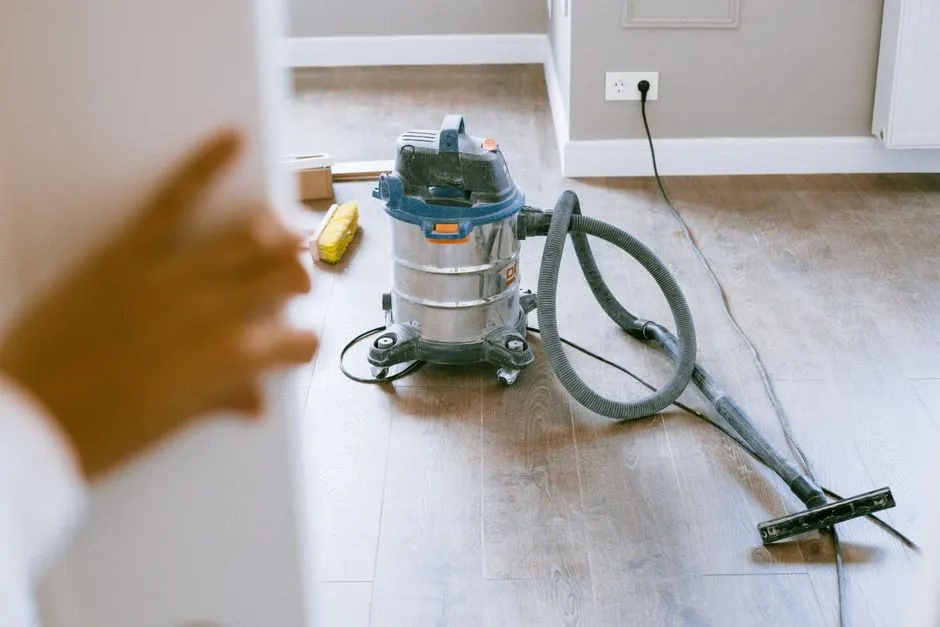
When your sump pump fails during an Indiana storm, the first thing to do is cut power to the flooded area at the breaker, then stop any water still entering the pit and call for emergency water removal before the water reaches your furnace, water heater, or finished walls. Every minute the pit overflows, water spreads further into drywall, carpet pad, and floor joists. The rest of this article walks through the exact sequence we use on calls across central Indiana - from the first 30 minutes to drying, insurance, and prevention.
First: Kill the Power and Stop the Water
Electricity and standing water are the two things you never want in the same room. Before you touch anything in a flooded basement, go to your main breaker panel - usually in the garage or a utility closet on the main floor - and shut off every circuit that feeds the basement, including the sump pump circuit, the furnace, and any outlets near the floor.
If the panel itself is in the flooded area or you have to stand in water to reach it, do not go in. Call an electrician or your utility, and stay out until they clear it.
Once power is off, deal with the incoming water. If the discharge line froze, kinked, or popped off the pump, water is cycling right back into the pit. Reconnect or reroute the line if you can do it safely. If the pit is filling faster than you can bail, that is the point where you stop and call us - Sump Pump Failure Water Removal in Indiana is a same-day service for exactly this situation.
Why Sump Pumps Fail During Indiana Storms
Sump pump failure during a storm in Indiana almost always comes down to one of five causes, and most of them are predictable weeks before the storm hits.
- Power loss. The number one cause. A storm knocks out the grid, the pump has no battery backup, and the pit fills in 20 to 40 minutes.
- Frozen or blocked discharge line. A 1.5-inch PVC line that exits through the rim joist can ice shut in a January thaw-and-refreeze cycle. The pump runs, water has nowhere to go, and it backs up into the pit.
- Float switch stuck. Sediment, rust, or a small piece of gravel jams the float against the pit wall. The pump never kicks on.
- Pump undersized for the inflow. A 1/3 HP pump moving 35 gallons per minute cannot keep up with a 2-inch-per-hour rain on saturated ground.
- Check valve failure. Water drains back into the pit after every cycle, so the pump runs constantly and burns out mid-storm.
We see the frozen-line and power-loss failures most often from December through March, and the undersized-pump failures in the heavy spring and early-summer storms that roll through central Indiana.
What Should You Do in the First 30 Minutes?
The first 30 minutes after a sump pump failure during an Indiana storm decide whether you are looking at a shop-vac job or a full basement rebuild. Work in this order.
- Shut off power to the flooded zone at the breaker.
- Move valuables up. Cardboard boxes, electronics, rugs, and anything on the floor go onto tables, shelves, or the stairs. Water wicks up drywall at roughly 1 inch per hour.
- Photograph everything before you move it - wide shots of the room, close-ups of the waterline on the wall, and a shot of the failed pump and pit.
- Pull the plug on the pump and check the float. If the float is stuck, free it by hand and see if the pump kicks on. If it hums but does not move water, the impeller is jammed or the motor is gone.
- Start extracting. A wet/dry shop vac pulls 5 to 10 gallons per cycle. If you have more than an inch across a 500-square-foot basement, that is roughly 300 gallons - call for help.
- Get air moving. Box fans and a dehumidifier slow mold growth, which starts in 24 to 48 hours on wet drywall and carpet pad.
If the water is more than ankle-deep, has a sewage smell, or has reached your furnace or water heater, skip the DIY steps and call us. We handle Basement Water Removal in Indiana with truck-mounted extraction and industrial drying, and we can usually be on-site the same day.
How Much Water Can a Failed Sump Pump Dump Into Your Basement?
A failed sump pump can put 1,000 to 3,000 gallons into a typical Indiana basement in a single storm, depending on the size of your footer drain system and how saturated the ground already is. That is 4 to 12 inches of water across a 1,000-square-foot basement.
Here is the math we use on estimates. A 1/3 HP submersible pump moves about 35 gallons per minute at a 10-foot lift. If the pump is down for two hours during a heavy rain, that is roughly 4,200 gallons of inflow that has nowhere to go. Even a partial failure - a pump that runs intermittently - leaves 1,000 to 1,500 gallons behind.
That volume matters because it determines the cleanup scope:
- Under 1 inch: shop vac and fans, 1 to 2 days of drying.
- 1 to 4 inches: professional extraction, 3 to 5 days of drying with air movers and dehumidifiers.
- Over 4 inches or any sewage contact: extraction, removal of wet drywall and carpet, sanitizing, and 5 to 7 days of drying.
Typical 2026 pricing in central Indiana for sump pump failure cleanup runs $1,200 to $3,500 for a standard unfinished basement, and $3,500 to $8,000 or more when finished drywall, carpet, and cabinetry are involved.
Common Mistakes Homeowners Make After a Sump Pump Failure
Most of the expensive mistakes we see on sump pump failure calls in Indiana happen in the first 24 hours, before anyone has called a pro.
- Waiting for the water to recede on its own. It will not. Groundwater keeps feeding the pit until the storm system moves through, and every hour of standing water pushes the damage deeper into the subfloor.
- Running a shop vac on a wet floor with the breaker still on. This is how people get shocked. Kill the power first, every time.
- Pulling up wet carpet and throwing it out. Your adjuster needs to see it. Photograph it in place, then move it.
- Assuming homeowners insurance covers it. Standard HO-3 policies in Indiana exclude sump pump failure and sewer backup unless you bought the endorsement. Check your declarations page before you assume anything.
- Drying with fans only. Fans move air. They do not remove moisture from drywall, sill plates, or carpet pad. Without a dehumidifier pulling 60 to 100 pints per day, mold colonizes in 24 to 48 hours.
- Replacing the pump before the water is out. Get the water out first. The new pump goes in after the pit is clean and the discharge line is verified.
When to Call a Professional
Call a professional water removal company when the standing water is deeper than 1 inch, when it has reached drywall, insulation, or your HVAC equipment, or when the water has any sewage odor. Those three conditions almost always mean the job is beyond a shop vac and a box fan.
We are IN Water Remover Pros, and sump pump failures are one of our most common storm calls. Our technicians extract the water, set drying equipment, monitor moisture readings daily, and document everything for your insurance claim. We also handle the pump replacement coordination so you are not managing two contractors.
If the water has mixed with sewage from a floor drain or a backed-up lateral, that is a different job - it requires sanitizing and disposal. We handle Sewage Water Removal in Indiana with the same crew and equipment, usually the same day.
We work across the metro and the surrounding counties. Homeowners in older neighborhoods with original clay footer drains call us for Water Removal in Indianapolis after nearly every major storm, because those drains silt up and overwhelm even a working pump.
How to Prevent Sump Pump Failure During Indiana Storms
Preventing sump pump failure during Indiana storms is mostly about testing before the rain starts, not during it. Here is the maintenance schedule we recommend to every homeowner we work with.
- Test the pump every 60 days. Pour 5 gallons of water into the pit and watch the float trip. If it does not kick on within 10 seconds, the switch is failing.
- Install a battery backup pump. A 12-volt backup with a deep-cycle battery runs 6 to 8 hours on a single charge and covers the most common failure mode - power loss.
- Add a water alarm. A $15 puck alarm on the floor next to the pit gives you 20 to 30 minutes of warning before the water spreads.
- Check the discharge line every fall. Make sure it slopes away from the foundation and the exterior end is not buried under mulch or snow.
- Clean the pit annually. Sediment and gravel are what jam floats. A clean pit is a working pit.
- Upgrade to a 1/2 HP pump if you have had one failure. The extra capacity is cheap insurance against the next 2-inch rain.
If your pump has failed before, or you are in a low-lying area with a history of basement flooding, we also recommend a Storm Water Removal in Indiana plan on file before the next system hits. We can walk your drainage and tell you where the water is going to come in.
Frequently Asked Questions
What should I do when my sump pump fails during an Indiana storm?
Shut off power to the flooded area at the breaker, move valuables up, photograph the damage, then start extracting water with a shop vac. If the water is deeper than 1 inch or has reached drywall or HVAC equipment, call a water removal company the same day. Mold starts in 24 to 48 hours.
Who do I call for sump pump failure in Indiana?
Call a licensed water removal and restoration company, not just a plumber. A plumber replaces the pump; a water removal crew extracts the standing water, sets drying equipment, and documents the loss for insurance. IN Water Remover Pros handles both the water and the pump replacement coordination.
How much does sump pump failure cleanup cost in Indiana?
Typical 2026 pricing runs $1,200 to $3,500 for an unfinished basement and $3,500 to $8,000 or more when finished drywall, carpet, and cabinetry are wet. Cost depends on water depth, square footage, and whether sewage is involved. Most jobs are billed to insurance.
Does insurance cover sump pump failure in Indiana?
Standard HO-3 homeowners policies in Indiana exclude sump pump failure and sewer backup unless you added the endorsement. If you have the endorsement, coverage typically runs $5,000 to $25,000. Check your declarations page or call your agent before you file.
How to prevent sump pump failure during Indiana storms?
Test the pump every 60 days, install a battery backup, add a water alarm, clean the pit annually, and check the discharge line every fall. A 1/2 HP pump with a backup handles most Indiana storm inflow. Maintenance before the storm beats repairs after it.
Get Help with Water Removal in Indiana
If your sump pump failed and the water is still rising, we are ready to roll. IN Water Remover Pros handles emergency sump pump failure water removal across central Indiana, with extraction, drying, and documentation for your claim.
Call (833) 640-1438 now and we will dispatch a crew to your address.